
Actinic Keratosis Treatment
in Detroit & Dearborn, MI

Dermatology Institute of Detroit offers expert diagnosis and treatment for actinic keratosis in Detroit & Dearborn, MI. Actinic keratosis are rough, scaly patches on the skin caused by years of sun exposure and can be a precursor to skin cancer. Early detection and professional care are essential for effective management and prevention of complications.

Understanding Actinic Keratosis

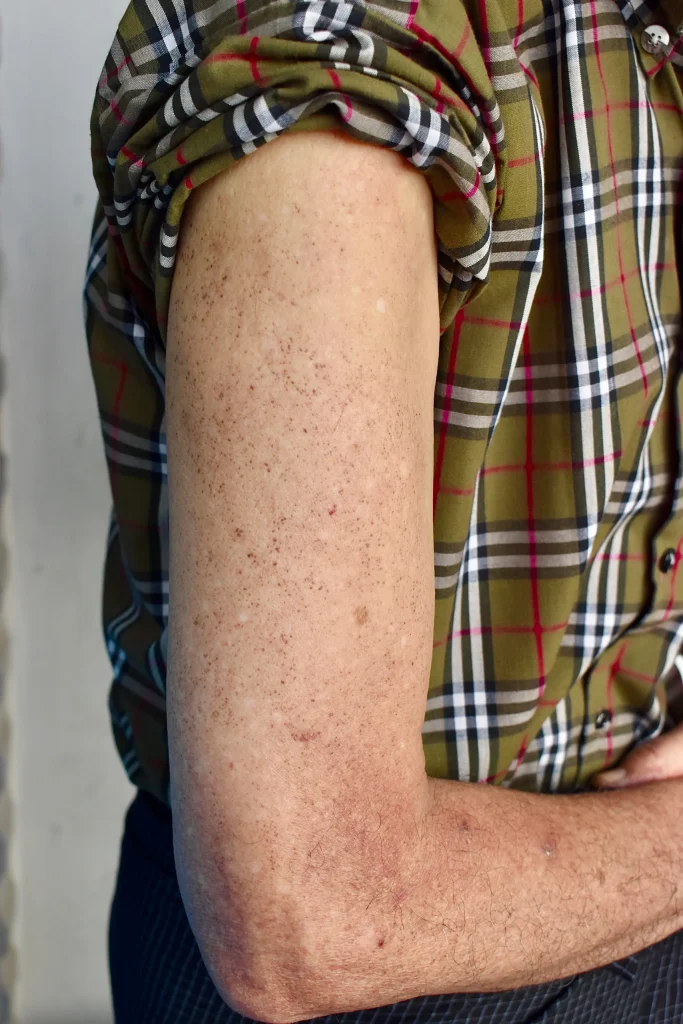
Actinic keratosis is a common skin condition caused by long-term exposure to ultraviolet (UV) light, resulting in rough, scaly patches on sun-exposed areas such as the face, scalp, and hands. These lesions are considered precancerous, as they have the potential to develop into squamous cell carcinoma if left untreated. Regular skin checks and early intervention by a dermatologist are important for effective management and reducing the risk of progression.

Common Signs and Symptoms

Rough, Scaly Skin Patches
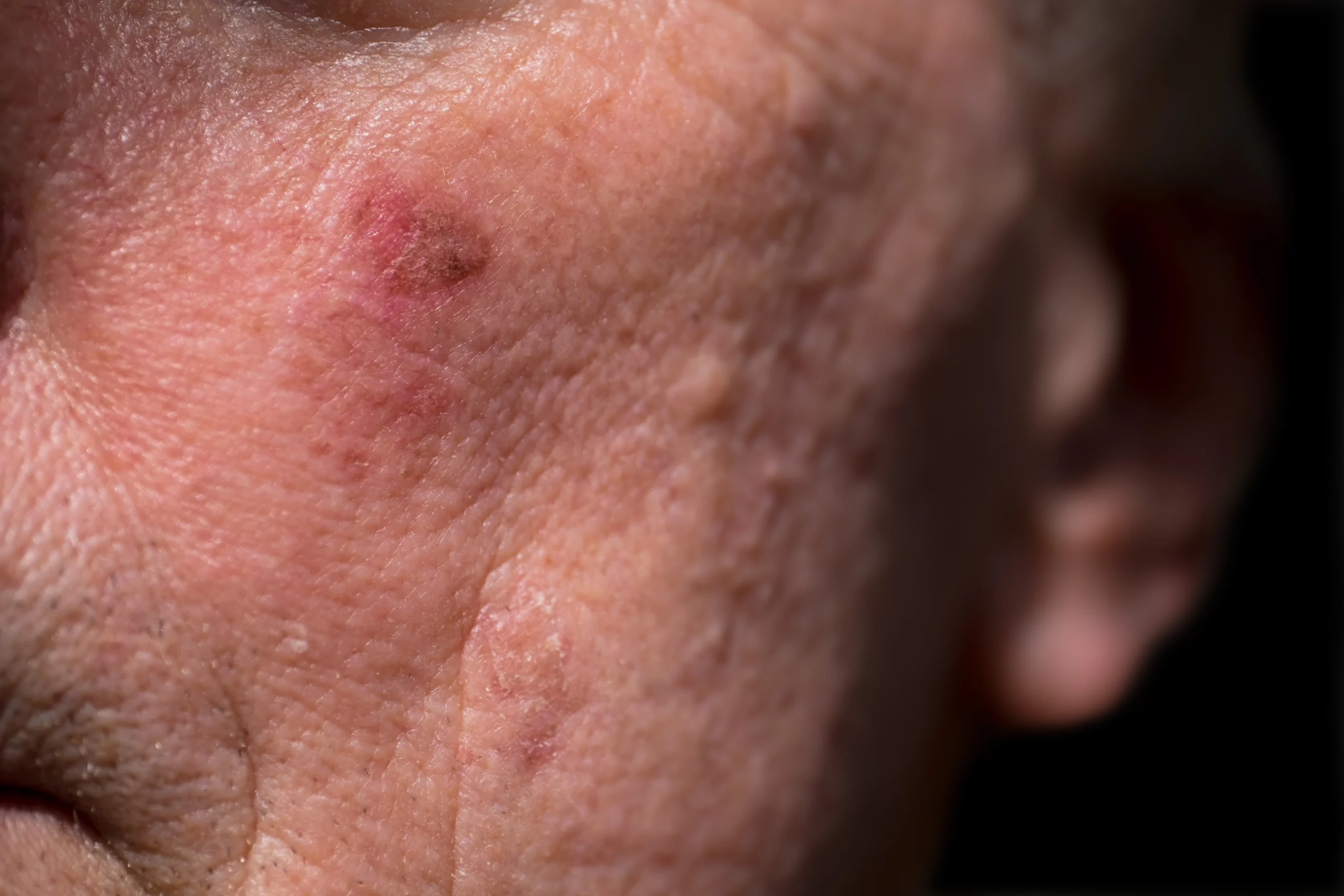
Rough, scaly skin patches are a hallmark sign of actinic keratosis. These patches often appear on sun-exposed areas such as the face, scalp, ears, or hands and may feel dry or sandpaper-like to the touch. Over time, they can become more pronounced and may fluctuate in appearance.
Persistent redness or inflammation is commonly seen around actinic keratosis lesions. The affected areas may appear slightly raised and can become irritated by friction or sun exposure. This redness is often a sign of ongoing skin damage caused by ultraviolet light.
Some individuals experience itching or a mild burning sensation in areas affected by actinic keratosis. These symptoms can be intermittent but may worsen with sun exposure or dryness. Persistent discomfort should prompt evaluation by a dermatologist.
Actinic keratosis patches may become tender or painful, especially when touched or if irritated. This sensitivity is usually due to underlying inflammation or slight injury to the skin. If pain increases or lesions change rapidly, medical attention is recommended.
Changes in skin texture, such as thickening or a wart-like surface, can develop as actinic keratosis progresses. These alterations may make affected areas more noticeable or uncomfortable. Monitoring for any new or evolving patches is important for early intervention.

Primary Causes of Actinic Keratosis

Actinic keratosis is primarily caused by long-term exposure to ultraviolet (UV) radiation from the sun or tanning beds, which damages the skin’s DNA over time. Individuals with fair skin, a history of frequent sunburns, or who spend significant time outdoors are at higher risk. The cumulative effect of UV exposure leads to abnormal cell growth, resulting in the rough, scaly patches characteristic of this condition.


Effective Treatments for Actinic Keratosis

Who Should Consider Treatment?

Check Your Insurance
Coverage

Benefits of Actinic Keratosis Treatment

Reduces Cancer Risk

Treating actinic keratosis significantly lowers the risk of developing squamous cell carcinoma, a common type of skin cancer. Early intervention removes precancerous cells before they have a chance to progress. This proactive approach protects your long-term skin health.

Improves Skin Appearance

Effective treatment helps restore smoother, healthier skin by eliminating rough, scaly patches. Patients often notice a more even tone and improved texture after therapy. This can boost confidence and enhance overall skin aesthetics.

Prevents Lesion Recurrence

Managing actinic keratosis early reduces the likelihood of lesions returning or spreading to new areas. Ongoing dermatological care and preventive strategies can help maintain clear skin and minimize future risks. Regular follow-up supports long-lasting results.

Minimizes Discomfort and Irritation

Treating actinic keratosis alleviates symptoms like itching, burning, or tenderness associated with these lesions. Patients often experience relief from discomfort and improved quality of life after receiving appropriate care. Addressing symptoms promptly also prevents further irritation.

Supports Long-Term Skin Health

Consistent treatment and monitoring of actinic keratosis promote healthier skin over time. By working with a dermatologist, patients can adopt preventive measures and maintain regular checkups. This ongoing care helps preserve skin integrity and reduces future complications.

Why Choose Us for Actinic Keratosis 

At Dermatology Institute of Detroit, our team combines advanced training with compassionate care to deliver outstanding outcomes for actinic keratosis. Led by Dr. Abdulhak, who has extensive expertise in dermatologic surgery and skin cancer management, we use evidence-based treatments tailored to your needs. Our commitment to early detection and personalized care ensures you receive the most effective solutions to protect your skin health. 
Not sure which treatment is best for you?

Check Your Insurance Coverage

Testimonials

“Dr. Abe and the staff were extremely kind, professional, and thorough in their explanation of the procedure. I was treated like a long-time patient, even though it was my first visit.”

- jim m.

Meet Our Providers