
Basal Cell Carcinoma Treatment
in Detroit & Dearborn, MI

Dermatology Institute of Detroit specializes in  diagnosing and treating Basal Cell Carcinoma in Detroit & Dearborn, MI. Our experienced team provides expert, compassionate care for this common type of skin cancer, offering advanced treatment options to ensure the best outcomes. We are committed to helping you achieve healthy, cancer-free skin with personalized attention at every step.

Understanding Basal Cell Carcinoma

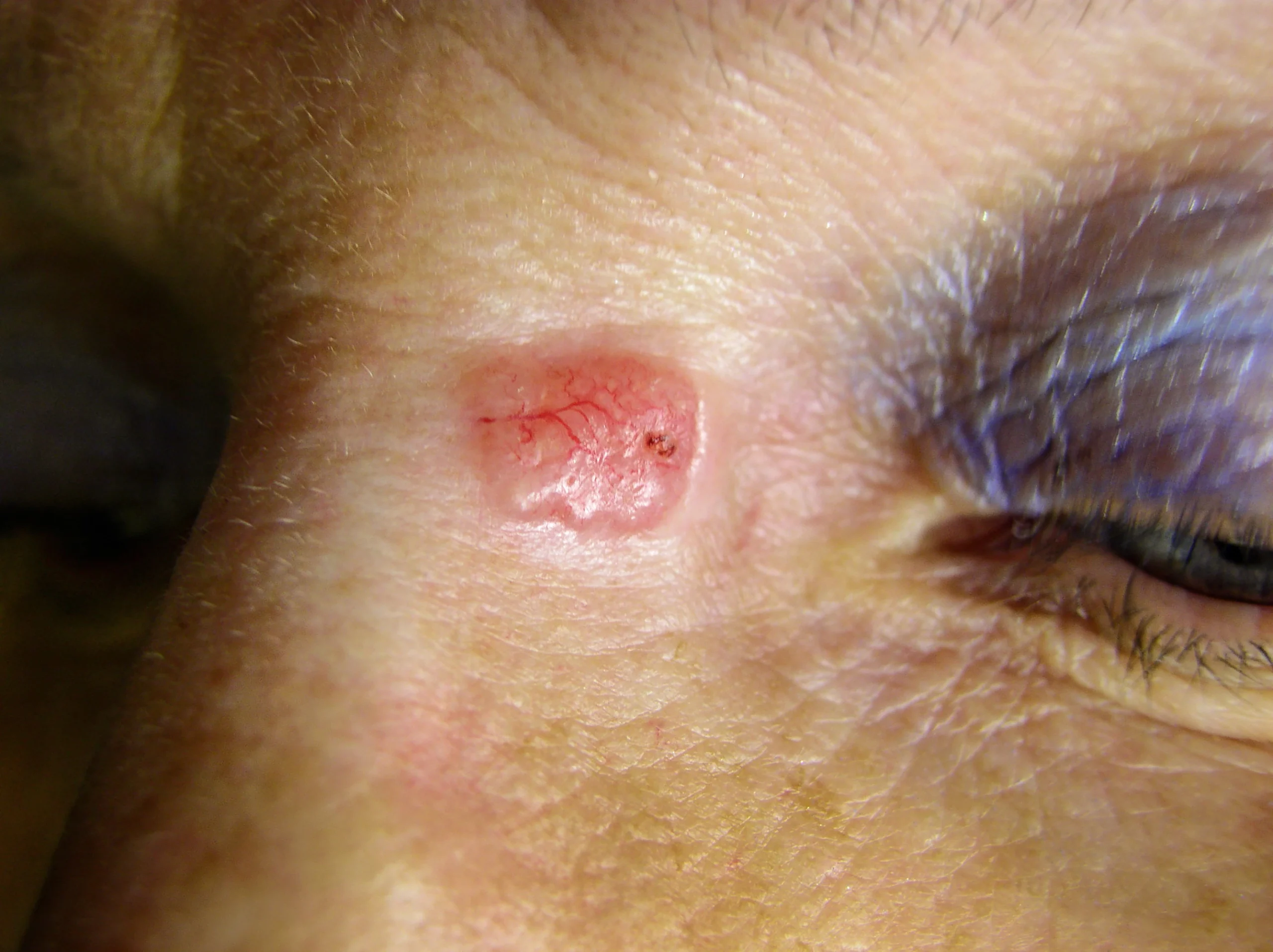
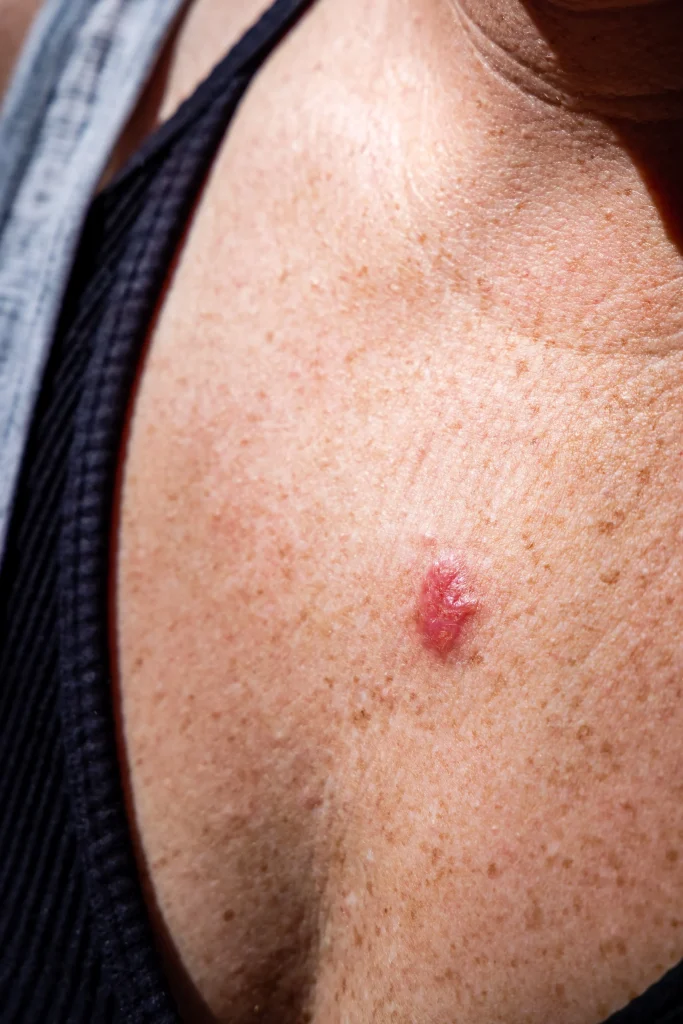
Basal Cell Carcinoma is the most common type of skin cancer, typically developing in areas exposed to the sun. It arises from the basal cells in the outer layer of the skin and often appears as a sore or bump that does not heal, sometimes bleeding or crusting. While this cancer rarely spreads to other parts of the body, early detection and treatment are important to prevent local tissue damage and ensure the best outcomes.

Common Signs and Symptoms

Persistent Non-Healing Sores

A common symptom of Basal Cell Carcinoma is a sore that does not heal or repeatedly returns in the same spot. These sores may be tender, ooze, or develop a crust, and often persist for weeks. If you notice a persistent lesion that fails to improve, it is important to have it evaluated by a dermatologist.

Basal Cell Carcinoma often appears as a pearly or waxy bump on the skin, which may be flesh-colored, pink, or slightly translucent. These bumps can sometimes have visible blood vessels on their surface and typically develop on sun-exposed areas such as the face, ears, neck, or scalp.

Another sign of Basal Cell Carcinoma is a reddish, irritated patch of skin that may be itchy or uncomfortable. These patches can be flat or slightly raised and might be mistaken for eczema or other skin conditions. Persistent redness, especially in sun-exposed areas, should prompt a professional evaluation.

Lesions that bleed easily or develop a crust are a warning sign of Basal Cell Carcinoma. These spots might bleed with minimal trauma or seem to heal and then recur. Recurrent bleeding or crusting in a skin lesion should not be ignored and warrants a dermatologist’s attention.

Basal Cell Carcinoma can sometimes resemble a flat, firm, scar-like area that is white, yellow, or waxy in appearance. These lesions may feel hard to the touch and can indicate a more aggressive subtype of the cancer. Any unexplained scar-like growth should be assessed by a skin specialist.

Primary Causes of Basal Cell Carcinoma

The main cause of Basal Cell Carcinoma is prolonged exposure to ultraviolet (UV) radiation from the sun or tanning beds, which damages the DNA in skin cells and triggers abnormal growth. People with fair skin, a history of frequent sunburns, or those who spend significant time outdoors are at higher risk. Genetic factors and a weakened immune system can also contribute to the development of this common skin cancer.

Effective Treatment Options

Who Should Consider Basal Cell CarcinomaTreatment

Check Your Insurance
Coverage

Benefits of Early Treatment for Basal Cell Carcinoma

High Cure Rates

Early and effective treatment of Basal Cell Carcinoma offers exceptionally high cure rates, especially with advanced techniques like MOHS surgery. Most treated cases do not recur, providing long-term peace of mind. Prompt intervention maximizes the likelihood of complete removal and reduces the need for extensive procedures.

Preservation of Healthy Tissue

Modern treatment methods are designed to remove cancerous cells while sparing as much healthy skin as possible. This approach is particularly beneficial for sensitive or visible areas, such as the face or hands. Preserving healthy tissue helps maintain both function and appearance after treatment.

Minimized Scarring

Advanced surgical and non-surgical options help minimize scarring and promote better cosmetic outcomes. Techniques such as MOHS surgery are especially effective in reducing the size and visibility of scars. This is important for patient confidence and satisfaction, especially for tumors on visible areas.

Reduced Risk of Complications

Timely treatment significantly lowers the risk of local tissue destruction and other complications associated with untreated Basal Cell Carcinoma. Early intervention also reduces the chances of the cancer spreading to deeper tissues or adjacent structures. Overall, this leads to easier recovery and less invasive care.

Improved Quality of Life

Receiving prompt and expert care for Basal Cell Carcinoma can greatly improve a patient’s quality of life. Successful treatment relieves anxiety, restores skin health, and allows patients to return to daily activities confidently. Ongoing dermatologic support helps ensure long-term skin wellness.

Why Choose Us for For Your Basal Cell Carcinoma Treatment

At Dermatology Institute of Detroit, our expertise in Basal Cell Carcinoma treatment is led by Dr. Abdulhak, a fellowship-trained MOHS surgeon with extensive experience in advanced skin cancer care. Our team combines cutting-edge techniques with compassionate, patient-centered service to deliver optimal results. We tailor each treatment plan to your unique needs, ensuring comprehensive care and the highest standard of safety and effectiveness for every patient in Detroit & Dearborn, MI. 

Not sure which treatment is best for you?

Check Your Insurance Coverage

Testimonials

“Dr. Abe and the staff were extremely kind, professional, and thorough in their explanation of the procedure. I was treated like a long-time patient, even though it was my first visit.”

- jim m.

Meet Our Providers