Laser Skin Resurfacing
in Detroit & Dearborn, MI

Dermatology Institute of Detroit offers advanced laser skin resurfacing in Detroit & Dearborn, MI to help rejuvenate and restore your skin’s natural radiance. This cutting-edge treatment targets fine lines, wrinkles, acne scars, and sun damage with minimal downtime. Our expert dermatologists use state-of-the-art laser technology to deliver safe, effective, and noticeable results for a smoother, healthier complexion.

Laser Skin Resurfacing Overview

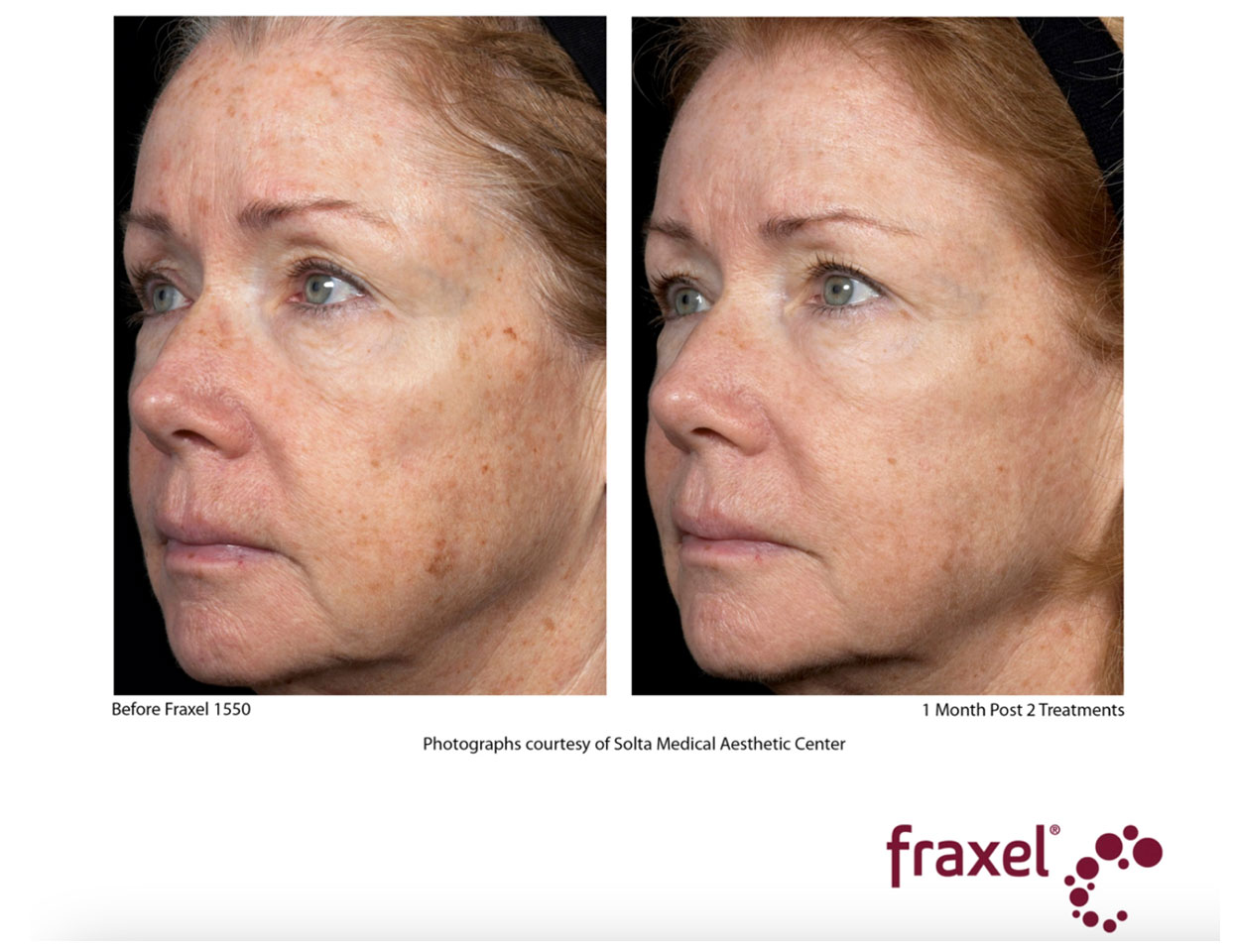
Laser skin resurfacing is an advanced cosmetic procedure designed to target fine lines, wrinkles, acne scars, and sun damage. By delivering controlled laser energy to the skin, this treatment stimulates collagen production and promotes natural healing, resulting in smoother, healthier, and more youthful-looking skin. The procedure is minimally invasive and suitable for a wide range of skin types, with noticeable improvements often seen after just one session.

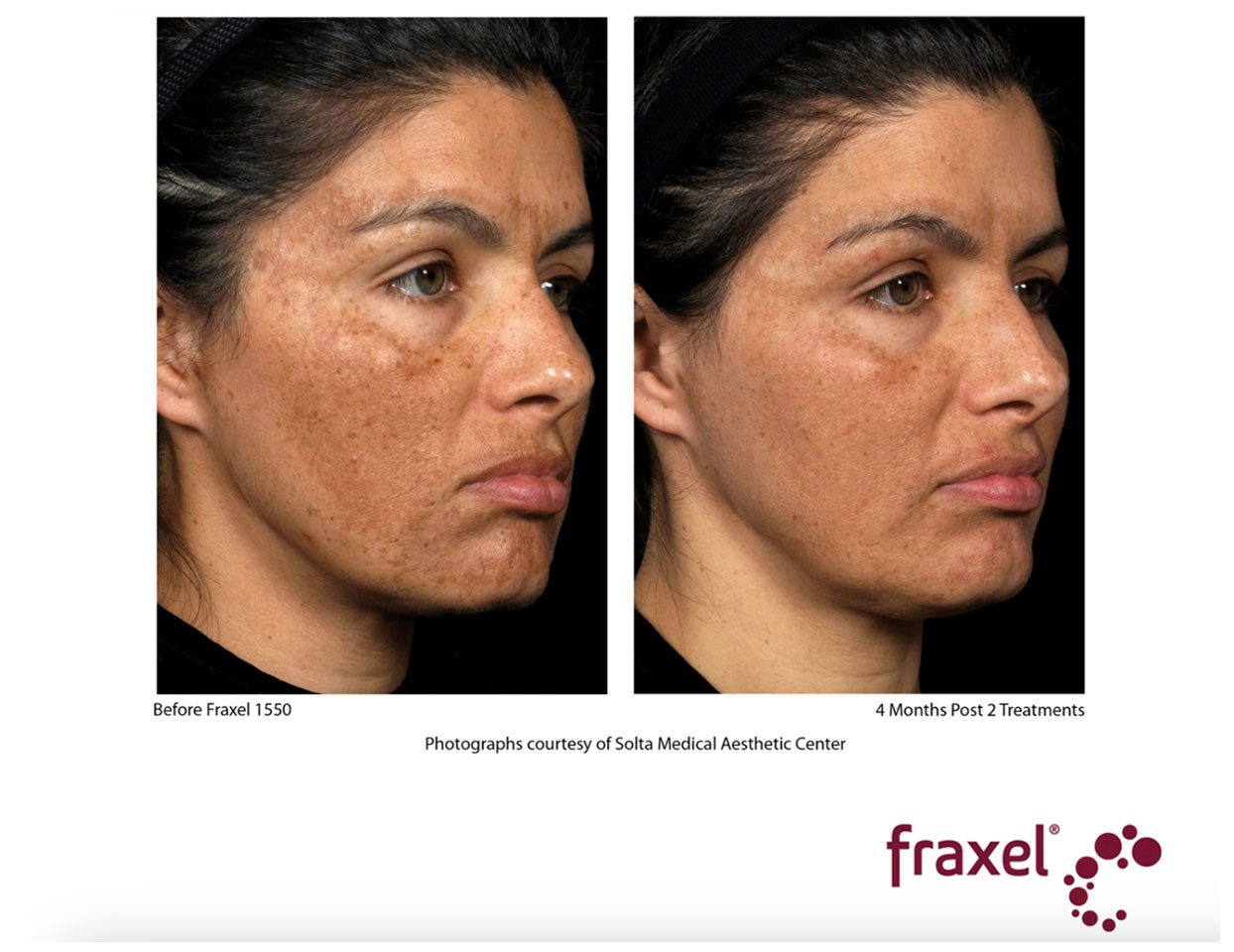
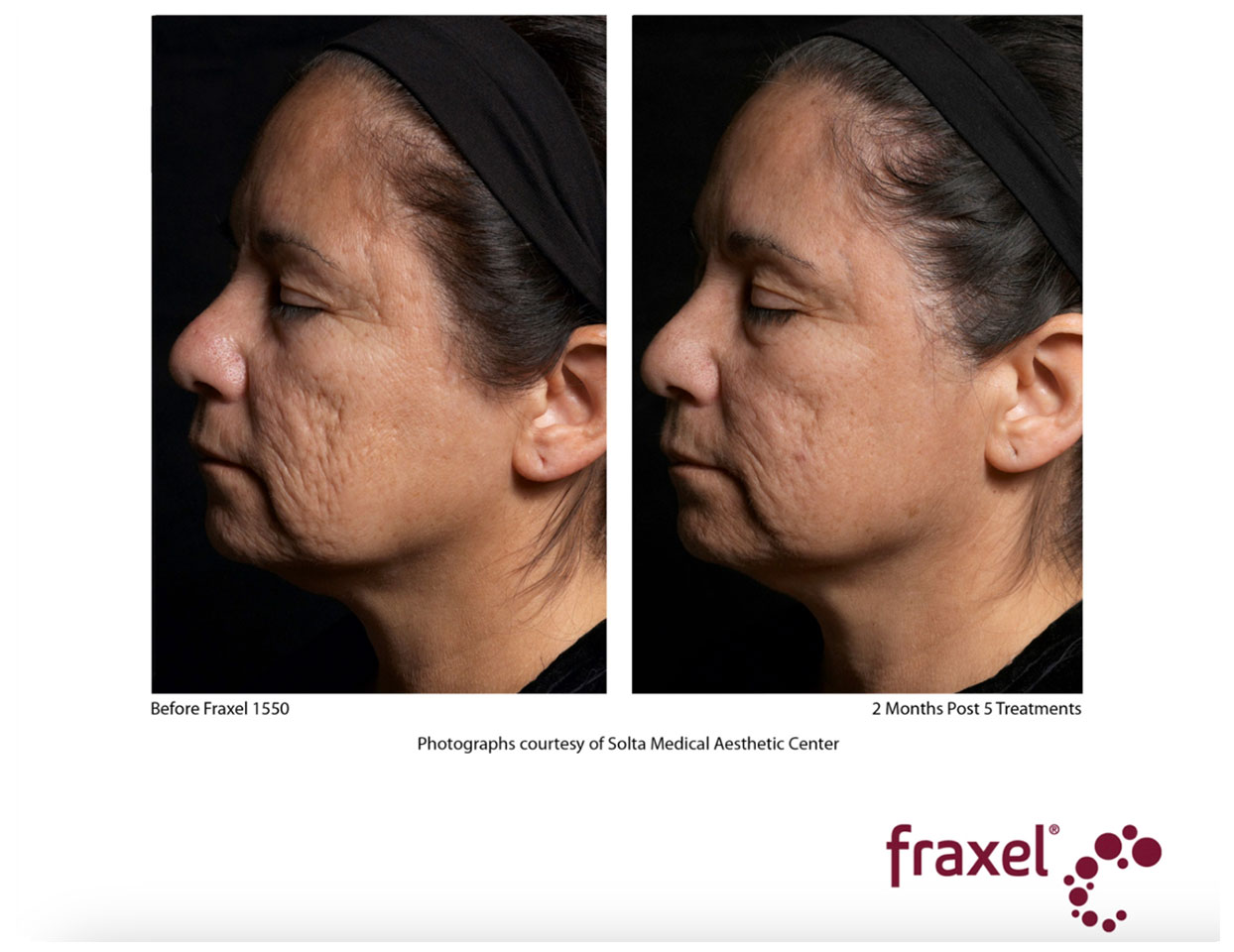
The Fraxel 1550

The Fraxel 1550 is a sophisticated laser treatment designed to stimulate the skin’s natural rejuvenation process without damaging the surface, ensuring minimal recovery time. By creating thousands of microscopic treatment zones, the laser triggers the production of new collagen while leaving the surrounding tissue intact for faster healing. This advanced technology is an ideal solution for patients seeking to significantly improve the appearance of acne scars, fine lines, and irregular skin texture for a smoother, more radiant complexion.

Consultation And Preparation

During your first visit, our dermatology team will assess your skin concerns and discuss your goals for laser skin resurfacing. We evaluate your medical history, skin type, and desired outcomes to ensure this treatment is right for you. This personalized approach allows us to create a safe and effective plan tailored to your needs.
Before your laser skin resurfacing session, you may be advised to follow a specific skincare routine and avoid sun exposure. You’ll receive clear instructions regarding any medications or products to pause prior to your appointment. Proper preparation minimizes risks and helps optimize your results.
On the day of treatment, arrive with clean skin and avoid applying makeup or lotions. Our team will review your plan, answer any last-minute questions, and ensure your comfort throughout the process. We prioritize your safety and satisfaction every step of the way.

Request An Appointment

What Happens During the Procedure

1.

Before starting laser skin resurfacing, your skin will be thoroughly cleansed and a topical numbing cream or local anesthetic will be applied to ensure your comfort. Protective eyewear is provided to shield your eyes from the laser. This preparation phase helps minimize discomfort and prepares the treatment area for optimal results.

2.

Once your skin is numb, the dermatologist uses a specialized laser device to deliver controlled pulses of energy to the targeted areas. The laser creates microscopic channels in the skin, stimulating collagen production and encouraging the body’s natural healing process. This step is carefully monitored to ensure safety and even coverage.

3.

After the laser treatment is complete, a cooling gel or soothing ointment is applied to calm the skin and reduce any initial redness or swelling. The treated area may feel warm, similar to a mild sunburn, for a few hours. Your dermatologist will provide specific aftercare instructions to support healing and minimize discomfort.

4.

You will receive detailed instructions on how to care for your skin in the days following your procedure. This includes guidance on gentle cleansing, moisturizing, and sun protection to promote optimal healing. Most patients experience mild redness and peeling for several days, with gradual improvement in skin texture and tone over the following weeks.

Your Recovery Timeline

Redness and Swelling

After your laser skin resurfacing session, it’s normal to experience some redness and swelling similar to a mild sunburn. These effects typically last for two to three days and gradually subside as your skin begins to heal. Keeping the treated area cool and following your dermatologist’s aftercare instructions will help minimize discomfort during this initial phase.

Peeling and Flaking

In the days following treatment, your skin may begin to peel or flake as new, healthy skin cells emerge. This stage usually starts around day three and can last up to a week, depending on your skin type and the depth of treatment. Gentle cleansing and moisturizing will support the healing process and help reveal smoother skin.

Sun Protection and Care

Protecting your skin from the sun is crucial after laser skin resurfacing, as your skin will be more sensitive to UV rays. Apply a broad-spectrum sunscreen daily and avoid direct sun exposure to prevent irritation and hyperpigmentation. Consistent sun protection helps ensure optimal healing and long-lasting results.

When to Resume Normal Activities

Most patients can return to work and normal routines within a few days, though visible signs of recovery like redness or peeling may persist for up to a week. Makeup can typically be used after 48 hours to conceal temporary discoloration if desired. Your dermatologist will provide personalized guidance based on your individual progress.

When to Expect Visible Results

Following laser skin resurfacing, initial improvements such as reduced redness and swelling are typically noticeable within the first few days. Most patients see continued enhancement in skin texture and tone over several weeks as collagen production increases and the skin heals. Final results usually develop gradually, with the most significant changes becoming apparent one to three months after treatment.

Who Benefits Most From Laser Skin Resurfacing

Key Advantages of Laser Skin Resurfacing

Laser skin resurfacing offers noticeable improvements in skin tone, texture, and overall radiance. This advanced treatment can reduce fine lines, wrinkles, sun damage, and acne scars with minimal downtime compared to traditional procedures. By stimulating natural collagen production, it helps reveal smoother, healthier-looking skin and long-lasting rejuvenation.

Cost of Laser Skin Resurfacing
in Detroit & Dearborn, MI

The cost of laser skin resurfacing in Detroit & Dearborn, MI typically ranges from $800–$2,500 per session, depending on the size of the treatment area, skin concerns, and the technology used. Pricing can vary based on your provider, individual anatomy, and your personalized treatment plan. For an accurate estimate tailored to your needs, we encourage you to request a consultation for a personalized quote.

Expertise You Can Trust 
in Detroit & Dearborn, MI

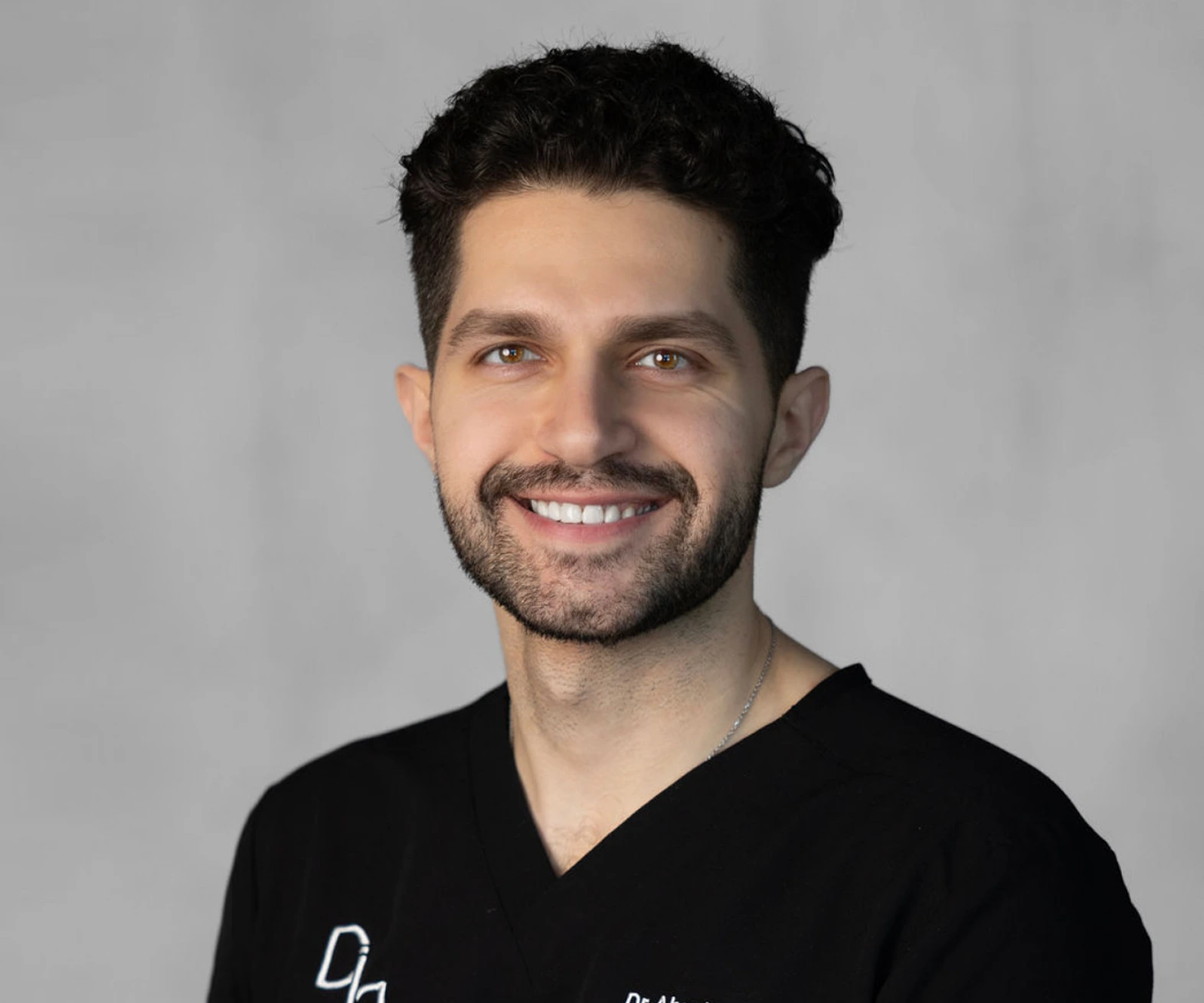
Choosing the Dermatology Institute of Detroit for your laser skin resurfacing means trusting your skin to board-certified dermatologists with advanced training in laser technology and cosmetic procedures. Dr. Abdulhak and his expert team offer personalized care, utilizing the latest devices to ensure safe, effective, and natural-looking results. Our commitment to patient education, safety, and satisfaction makes us a leading choice for laser treatments in Detroit & Dearborn, MI.

Laser Resurfacing FAQs

Is laser skin resurfacing safe for all skin types?
The Fraxel 1550 laser is designed to be safe for a wide range of skin types and tones. Before your treatment, our dermatology team will assess your unique skin characteristics to ensure the procedure is appropriate for you.
Results from laser resurfacing can last for several months to years, depending on your skin type, age, and how well you care for your skin afterward. Maintenance treatments and a good skincare routine can help extend your results.
Yes, laser resurfacing is effective for improving the appearance of acne scars by stimulating collagen production and smoothing skin texture. Multiple sessions may be recommended for optimal improvement.

After your procedure, you should avoid direct sun exposure, harsh skincare products, and vigorous exercise until your skin has healed. Our team will provide detailed aftercare instructions tailored to your needs.

Most patients experience minimal downtime and can return to work or daily activities within a few days. Redness and swelling usually subside within 2–3 days, and makeup can typically be applied after 48 hours.