
Melanoma Treatment
in Detroit & Dearborn, MI

Dermatology Institute of Detroit provides expert evaluation and treatment for melanoma in Detroit & Dearborn, MI. Melanoma is a serious form of skin cancer that can develop anywhere on the body and requires prompt attention for the best outcomes. Our board-certified dermatologists use advanced diagnostic and surgical techniques to ensure effective care. Early detection and intervention are key to successfully managing melanoma.

Understanding Melanoma

Melanoma is an aggressive type of skin cancer that arises from melanocytes, the cells responsible for skin pigment. It can develop on any area of the skin, including places not typically exposed to the sun, and may spread quickly if not detected early. Prompt diagnosis and treatment are vital, as early-stage melanoma is highly treatable and outcomes are significantly better with early intervention.

Common Signs and Symptoms

Changing Moles
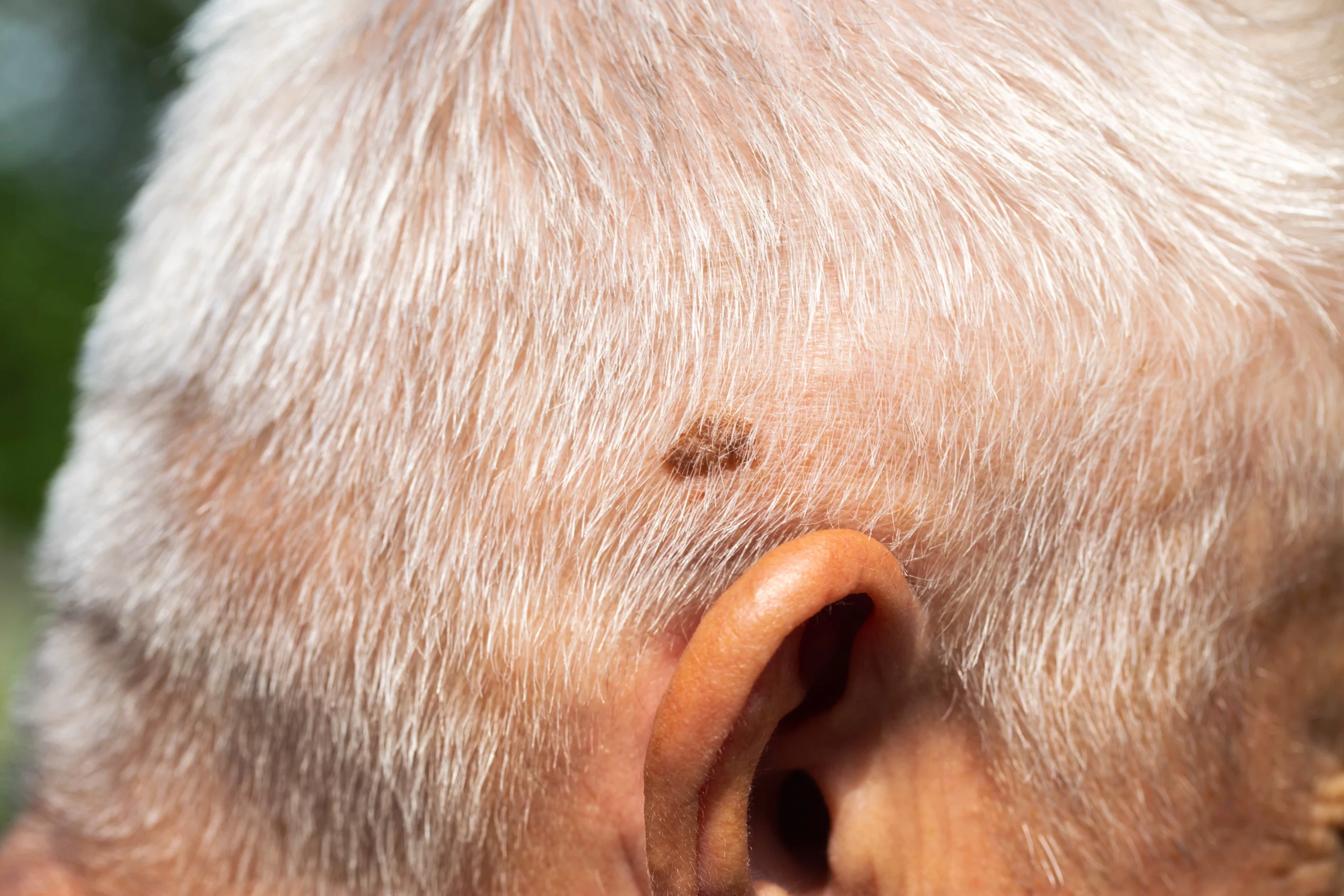
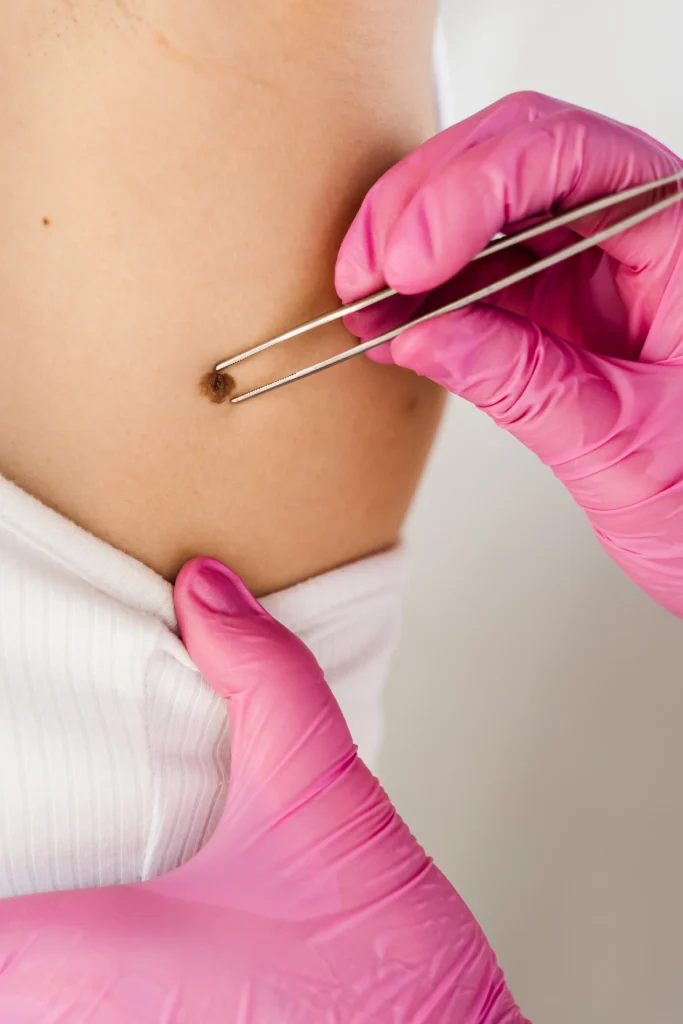
A key warning sign of melanoma is a mole or skin spot that changes in appearance over time. This may include alterations in shape, color, elevation, or texture. Noticing new changes or the development of a new mole in adulthood should prompt evaluation by a dermatologist, as early detection greatly improves treatment outcomes.
Melanoma often presents with moles that have uneven, jagged, or poorly defined edges, rather than smooth, regular borders. This irregularity is a distinguishing feature and can help differentiate melanoma from benign moles. If you notice a mole with an asymmetrical or scalloped border, it is important to have it assessed by a skin specialist.
A melanoma lesion may display multiple colors, such as varying shades of brown, black, tan, red, blue, or white. This variation in color within a single mole or spot is a concerning sign and should not be ignored. Melanomas often look different from other moles on your body, making color diversity an important symptom to watch for.
An increase in the diameter or thickness of a mole can indicate melanoma development. Lesions larger than 6 millimeters (about the size of a pencil eraser) or those that grow over time warrant closer examination. Monitoring the size of moles and reporting noticeable growth to a dermatologist is crucial for early intervention.
Melanoma may cause symptoms like itching, tenderness, oozing, or bleeding, especially in more advanced stages. These changes often signal that the skin cells are abnormal and may be cancerous. Any mole that becomes symptomatic should be evaluated promptly to rule out melanoma or other serious skin conditions.

Primary Causes of Melanoma

Melanoma most often develops due to DNA damage in skin cells, frequently caused by excessive exposure to ultraviolet (UV) radiation from the sun or tanning beds. Genetics and family history also play a significant role, as certain inherited gene mutations can increase risk. People with fair skin, numerous moles, or a history of sunburns are particularly susceptible to developing melanoma. Early identification of risk factors is important for prevention and timely intervention.


Advanced Melanoma Treatment Options

Who Is at Risk for Melanoma

Check Your Insurance
Coverage

Benefits of Melanoma Treatment

Improved Survival Rates

Timely and effective melanoma treatment significantly increases the chances of survival, especially when the cancer is detected in its early stages. Early intervention can often lead to complete removal of the melanoma before it spreads. This greatly improves long-term outcomes and quality of life.

Reduced Risk of Recurrence

Advanced melanoma treatments help lower the risk of the cancer returning after initial removal. Close monitoring and follow-up care ensure that any new or recurring lesions are caught early. This ongoing vigilance provides peace of mind and better health protection.

Minimally Invasive Options

Many modern melanoma treatments, such as MOHS surgery and targeted therapies, are designed to be minimally invasive while maximizing effectiveness. These options help preserve healthy tissue and reduce recovery time for patients. Less invasive procedures also lead to improved cosmetic outcomes and comfort.

Personalized Treatment Plans

Melanoma care at specialized centers like Dermatology Institute of Detroit is tailored to each patient’s unique case. Personalized treatment plans consider factors such as stage, location, and genetic markers. This individualized approach enhances effectiveness and supports optimal recovery.

Advanced Diagnostic Techniques

State-of-the-art diagnostic methods, including dermoscopy and genetic testing, enable earlier and more accurate melanoma detection. Advanced technology helps guide treatment decisions and improves the likelihood of successful outcomes. Patients benefit from precise, evidence-based care that addresses their specific needs.

Why Choose Dermatology Institute of Detroit 

At Dermatology Institute of Detroit, you’ll receive care from board-certified dermatologists with advanced expertise in melanoma diagnosis and treatment. Our team uses state-of-the-art technology, including MOHS micrographic surgery and the latest therapies, to deliver precise, effective results. We prioritize compassionate, patient-centered care to support you through every step of your melanoma treatment journey in Detroit & Dearborn, MI. 

Not sure which treatment is best for you?

Check Your Insurance Coverage

Testimonials

“Dr. Abe and the staff were extremely kind, professional, and thorough in their explanation of the procedure. I was treated like a long-time patient, even though it was my first visit.”

- jim m.

Meet Our Providers