
Squamous Cell Carcinoma Treatment
in Detroit & Dearborn, MI

Dermatology Institute of Detroit specializes in diagnosing and treating squamous cell carcinoma in Detroit & Dearborn, MI. As one of the most common types of skin cancer, squamous cell carcinoma can appear as scaly red patches, open sores, or wart-like growths. Early detection and expert care are essential for effective treatment and the best possible outcomes.

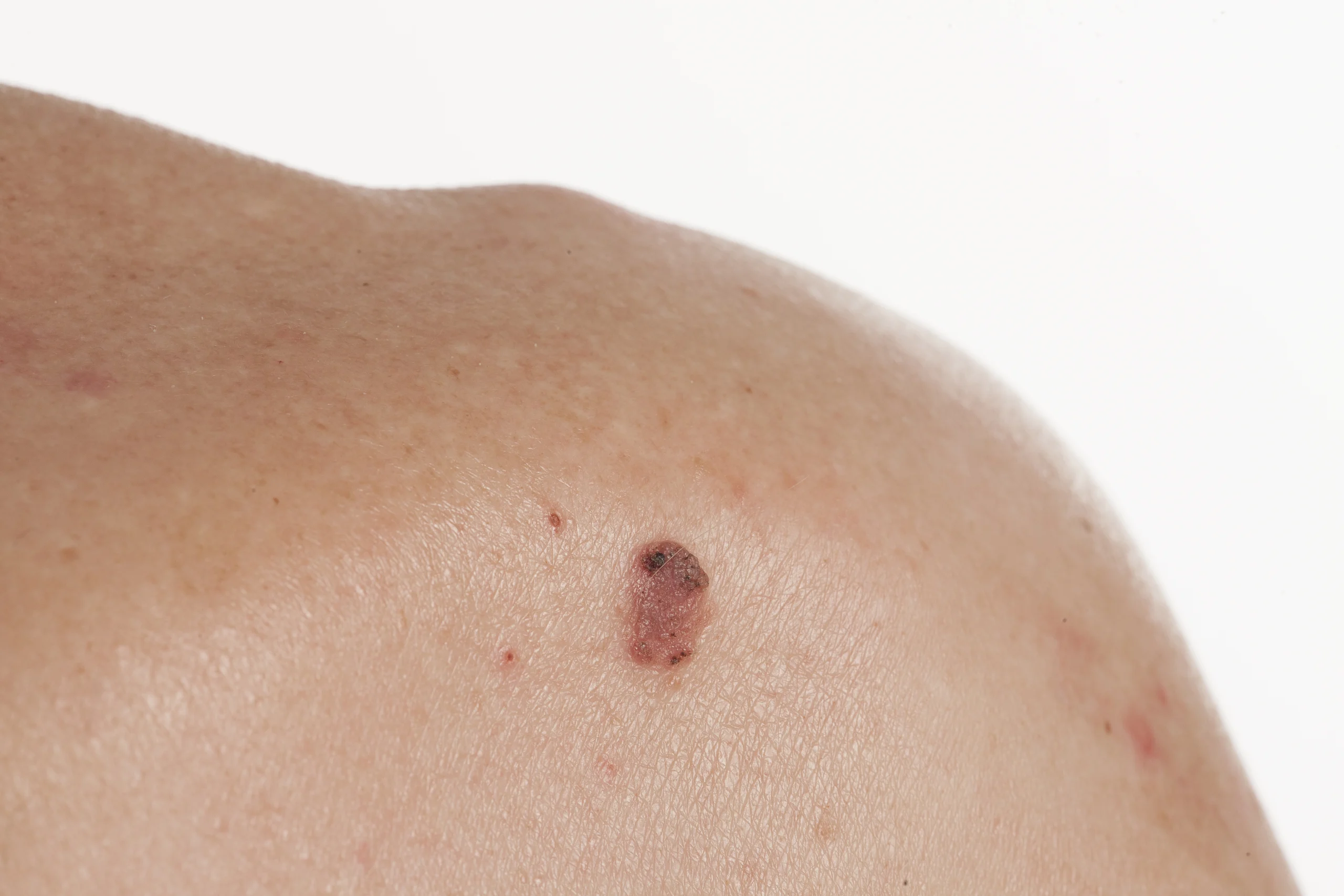
Close-up of squamous cell carcinoma lesion on skin

Understanding Squamous Cell Carcinoma

Squamous cell carcinoma is a common form of skin cancer that originates in the squamous cells, which make up the middle and outer layers of the skin. It often develops in areas frequently exposed to sunlight, such as the face, ears, neck, and hands. While this cancer can grow and spread if left untreated, early diagnosis and professional dermatologic care can lead to highly effective treatment and a favorable prognosis.
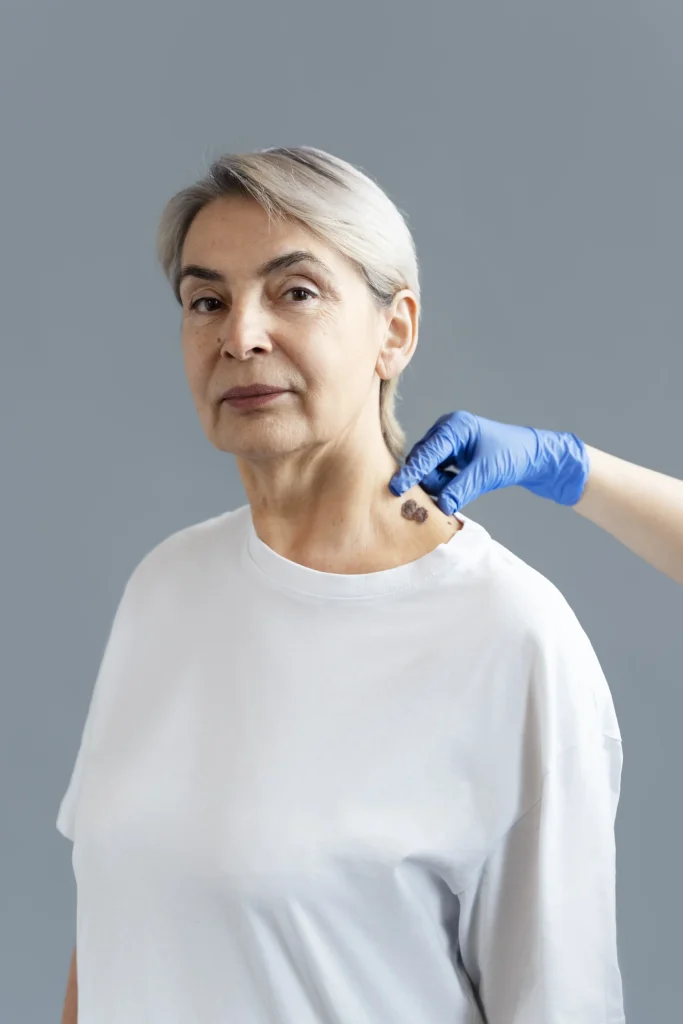
Dermatologist in blue gloves examining a suspicious skin lesion on a patient's neck

Common Symptoms

Persistent Scaly Red Patches
One of the most common symptoms is the appearance of persistent scaly, red patches on the skin. These patches may be rough to the touch and can sometimes itch or feel sore. They often develop on areas frequently exposed to sunlight, such as the face, ears, or hands.
Open sores that do not heal or that repeatedly heal and then reopen can be a sign of squamous cell carcinoma. These sores may crust or bleed and often remain for weeks or months. Persistent wounds, especially on sun-exposed skin, should be evaluated by a dermatologist.
The presence of raised growths or lumps, sometimes with a central depression, is another symptom. These lesions can be firm and may become tender over time. They might develop slowly and increase in size if left untreated.
Wart-like skin changes are a distinctive feature of some squamous cell carcinoma lesions. These growths can appear rough, thickened, and may resemble common warts. Noticing new, unusual, or rapidly changing growths should prompt a dermatological evaluation.
Lesions that become tender, painful, or bleed easily may indicate squamous cell carcinoma. Bleeding can occur with minimal trauma or even spontaneously. Any skin lesion that exhibits these symptoms warrants prompt attention from a skin cancer specialist.

Primary Causes of Squamous Cell Carcinoma

The main cause of squamous cell carcinoma is prolonged exposure to ultraviolet (UV) radiation from the sun or tanning beds, which damages the DNA in skin cells. Other risk factors include having fair skin, a history of frequent sunburns, weakened immune system, and previous skin injuries or inflammation. Early detection and protection from UV exposure are key to reducing your risk of developing this form of skin cancer.

Treatment Options for Squamous Cell Carcinoma

Who Is at Risk for Squamous Cell Carcinoma

Check Your Insurance
Coverage

Benefits of Squamous Cell Carcinoma Treatment

High Cure Rates

Treatment for squamous cell carcinoma, especially when detected early, offers high cure rates and excellent long-term outcomes. Advanced techniques like Mohs surgery maximize the chance of complete removal. Early intervention reduces the risk of recurrence or spread.

Preservation of Healthy Tissue

Modern treatments are designed to remove cancerous cells while preserving as much healthy tissue as possible. This approach is especially important for lesions on cosmetically sensitive areas like the face. Tissue-sparing techniques help maintain function and appearance.

Reduced Risk of Complications

Timely treatment of squamous cell carcinoma minimizes the risk of complications, such as local tissue destruction or metastasis. Addressing the cancer early helps prevent more extensive procedures in the future. Patients benefit from improved overall health and peace of mind.

Improved Cosmetic Outcomes

Careful treatment planning leads to better cosmetic results, particularly in visible areas like the face and neck. Techniques such as Mohs surgery focus on minimizing scarring and preserving natural contours. This allows patients to maintain confidence in their appearance.

Personalized Patient Care

At the Dermatology Institute of Detroit, every patient receives individualized care tailored to their specific diagnosis and needs. Our team supports patients throughout their treatment journey, ensuring comfort, clear communication, and compassionate support. Personalized care leads to better experiences and optimal outcomes.
Man smiling at camera wearing black v-neck shirt

Why Choose Us For Your Squamous Cell Carcinoma Treatment

Choosing the Dermatology Institute of Detroit for your squamous cell carcinoma treatment means entrusting your care to a team of experienced dermatologists dedicated to personalized, evidence-based medicine. Our specialists utilize advanced techniques, including Mohs micrographic surgery, to achieve the highest cure rates while preserving healthy tissue. We prioritize early detection, comprehensive evaluation, and compassionate support throughout your treatment journey. With a commitment to excellence and patient-centered care, we strive to deliver the best possible outcomes for every individual. 

Not sure which treatment is best for you?

Check Your Insurance Coverage

Testimonials

Five filled star rating
“Dr. Abe and the staff were extremely kind, professional, and thorough in their explanation of the procedure. I was treated like a long-time patient, even though it was my first visit.”

- Jim M.

Meet Our Providers