Skin Cancer Excisions
in Detroit & Dearborn, MI

Dermatology Institute of Detroit offers expert excisions in Detroit & Dearborn, MI, providing precise removal of skin lesions, cysts, or tumors with a focus on patient safety and optimal cosmetic results. Our board-certified dermatologists use advanced surgical techniques to ensure effective treatment and promote healthy skin healing.

Excision Surgery Overview

Excisions involve surgically removing a targeted area of skin, typically under local anesthesia, to treat benign or malignant lesions. The procedure removes the lesion along with a margin of healthy tissue to ensure complete removal and minimize recurrence, followed by careful wound closure to support optimal healing and reduce scarring.

Consultation and Preparation

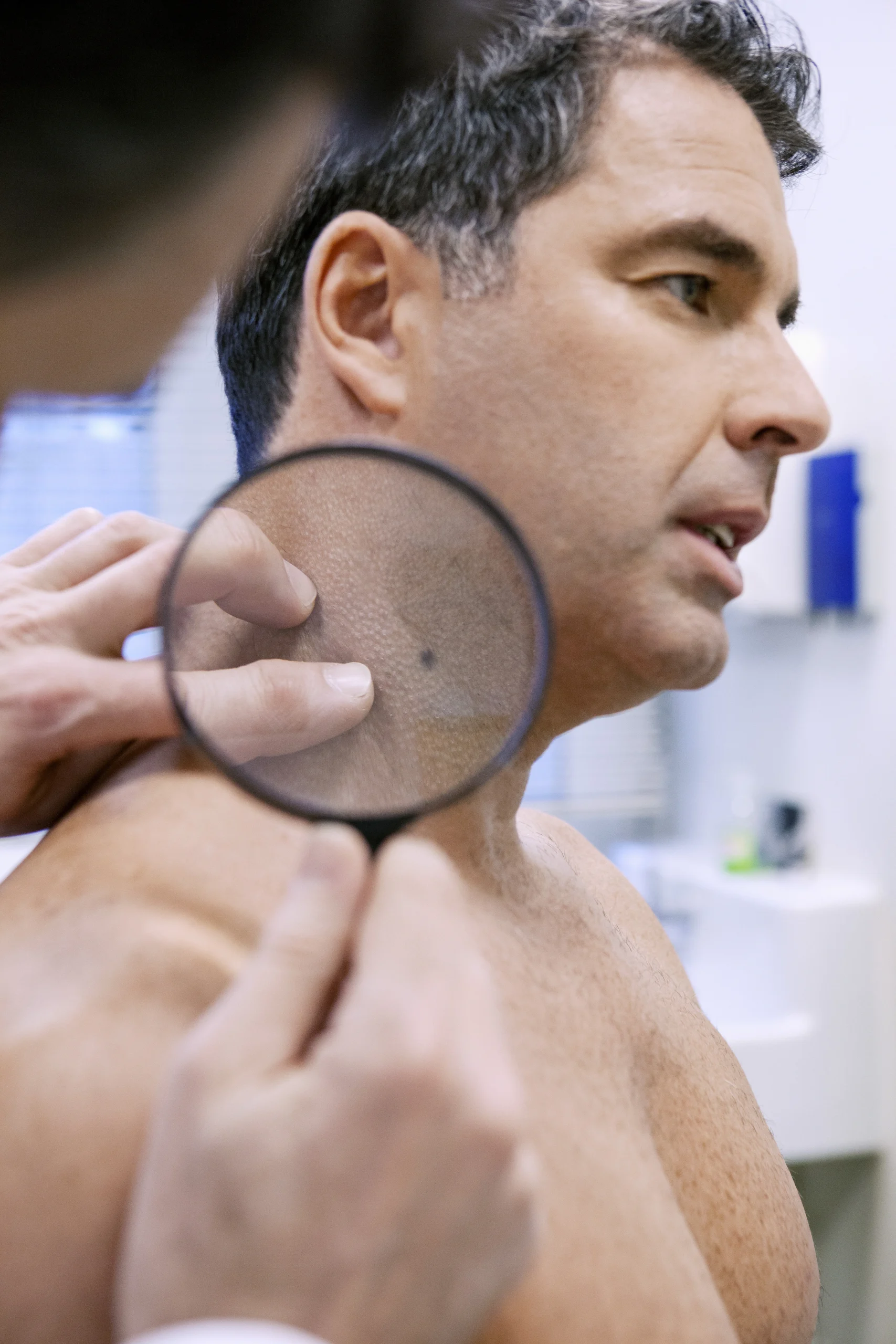
During your initial visit, our dermatologists will carefully assess your skin concern and discuss your medical history. We will examine the lesion or area in question and may recommend a biopsy if a diagnosis is not already confirmed. This personalized evaluation helps us determine if excision is the most appropriate treatment for your needs.
Once excision is recommended, we will explain the procedure, including what to expect before, during, and after surgery. Our team ensures you understand the benefits, risks, and alternatives, and answers any questions you may have. We also review any necessary preoperative instructions, such as medication adjustments or skin care guidelines.
Before your excision, you may be advised to avoid certain medications that increase bleeding risk, such as aspirin or some supplements. It’s important to keep the area clean and follow any specific instructions provided by your care team. Arriving well-prepared helps ensure a smooth and successful procedure with optimal healing.

Request An Appointment

What to Expect During Excision

1.

To begin the excision procedure, the treatment area is thoroughly cleaned and a local anesthetic is injected to numb the skin. This ensures you remain comfortable and pain-free throughout the process. The dermatologist will confirm that you are fully numb before proceeding to the next step.

2.

Once the area is numb, your dermatologist uses a scalpel to carefully remove the targeted lesion along with a small margin of healthy tissue. The amount of tissue removed depends on the type and size of the lesion. This approach helps ensure complete removal while minimizing the impact on surrounding skin.

3.

After the lesion is removed, the dermatologist will stop any bleeding and carefully close the wound with stitches. The closure technique is chosen to promote optimal healing and minimize scarring. In some cases, dissolvable sutures may be used, while others require removal at a follow-up visit.

4.

Before you leave, you’ll receive detailed instructions on how to care for your incision site at home. This may include information about wound cleaning, activity restrictions, and signs of infection to watch for. Proper aftercare supports healing and helps achieve the best cosmetic outcome.

Healing and Aftercare

Immediate Post-Procedure Care

After your excision, it is important to keep the wound clean and dry as instructed by your dermatologist. You may be advised to change dressings daily and apply a topical ointment to promote healing and reduce infection risk. Follow all immediate aftercare instructions closely for optimal recovery.

Managing Discomfort and Swelling

Mild discomfort, swelling, or bruising may occur around the treated area in the first few days. Over-the-counter pain relievers and cold compresses can help ease symptoms, but always check with your care team before using any medications. Most side effects improve quickly as the healing process progresses.

Stitches and Wound Monitoring

Depending on the type of sutures used, you may need to return for stitch removal within 1–2 weeks. Monitor the site for signs of infection, such as redness, increased pain, or drainage, and contact our office if you notice any concerning changes. Proper monitoring supports safe and effective healing.

Scar Care and Long-Term Results

As your incision heals, you can take steps to minimize scarring, such as protecting the area from sun exposure and following your dermatologist’s scar care recommendations. Most scars fade significantly over time, and our team is available to discuss additional cosmetic options if needed. Consistent care helps achieve the best possible outcome.
Results Expectation Timeline After Excisions

After an excision, most patients notice initial healing of the wound within one to two weeks, depending on the size and location of the lesion. Stitches, if non-dissolvable, are typically removed within 7 to 14 days. Over the next several weeks, redness and swelling will gradually subside, and the scar will continue to mature and fade over several months. Following your dermatologist’s aftercare instructions is essential for optimal cosmetic results and minimizing scarring.

Who Benefits Most From Excision

Key Advantages of Excision Surgery

Excision surgery offers precise removal of unwanted or potentially harmful skin growths, helping to ensure complete elimination while preserving healthy surrounding tissue. This procedure can address both benign and malignant lesions, reducing the risk of recurrence and supporting early intervention for skin cancer. Patients benefit from improved cosmetic outcomes and peace of mind knowing their treatment is performed by experienced dermatologic surgeons.

Excisions Pricing and Insurance
in Detroit & Dearborn, MI

The cost of excisions in GMs Gift Box typically ranges from $250–$1,200 depending on the size, location, and complexity of the lesion. Pricing can vary by provider, anatomical area, and individual treatment plan. For a personalized quote tailored to your needs, please contact our office to schedule a consultation.

Why Choose Dr. Abdulhak 
in Detroit & Dearborn, MI

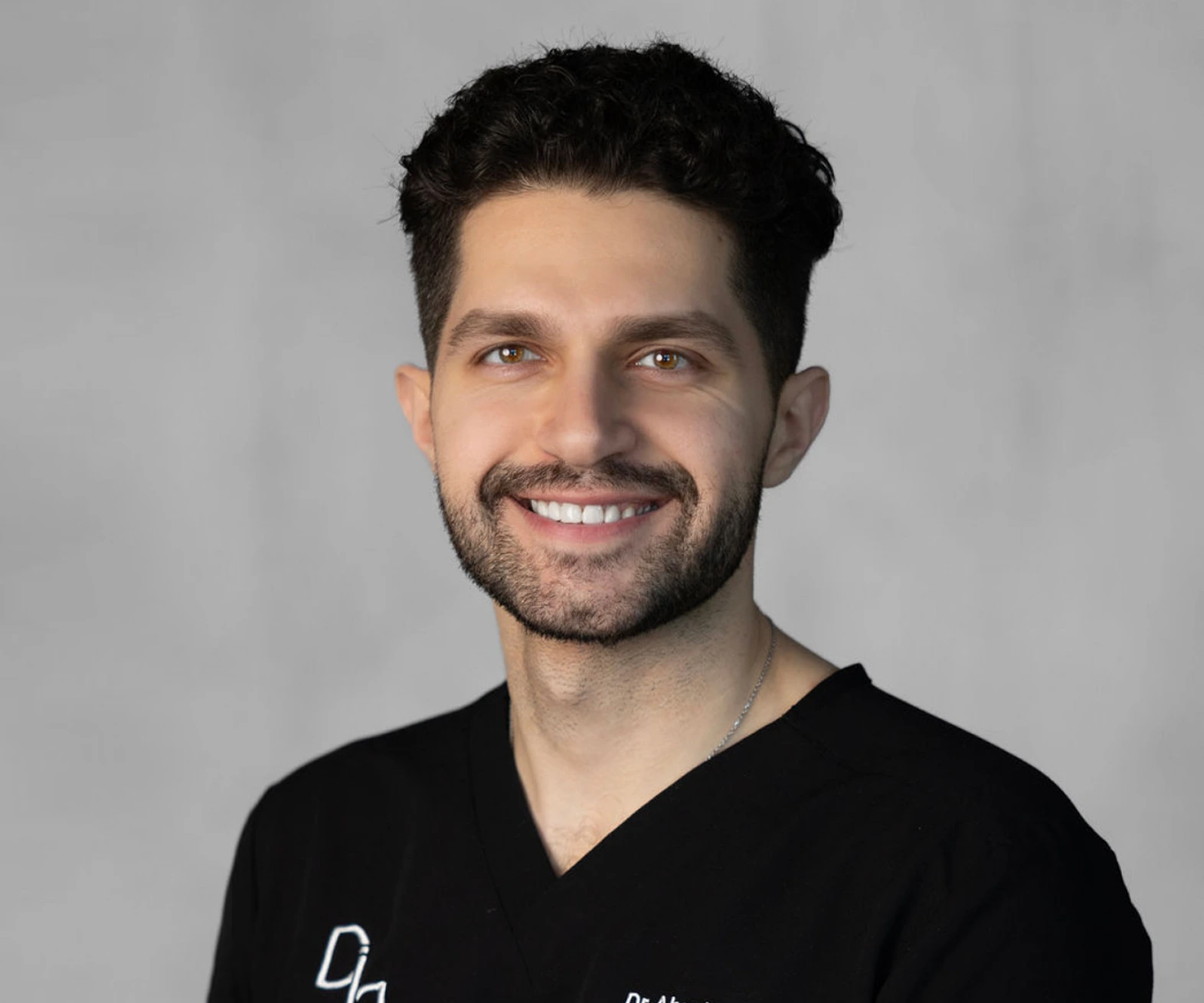
Choosing Dr. Abdulhak at Dermatology Institute of Detroit means entrusting your care to a highly trained, board-certified dermatologic surgeon with specialized expertise in excisions and reconstructive techniques. Dr. Abdulhak’s advanced training, academic contributions, and commitment to patient-centered care ensure you receive safe, effective treatment and excellent cosmetic results in Dearborn, MI.

Excisions: Frequently Asked Questions

How do I know if I need an excision instead of another type of skin treatment?
The need for a surgical removal depends on the type, size, and location of your skin lesion. Your dermatologist will recommend the most effective option for you after a thorough evaluation. If you have questions about your specific case, we encourage you to contact our office for guidance.
During your visit, your provider will review your medical history, examine the area, and explain the procedure. Local anesthesia is typically used to keep you comfortable, and the removal is performed in a safe, sterile environment. Most appointments are completed within an hour, and you’ll receive aftercare instructions before you leave.
Some scarring is expected after any surgical procedure, but our team uses techniques designed to minimize its appearance. The final result depends on factors such as your skin type, the size and location of the excision, and how well you care for the site afterward. We will discuss ways to optimize healing and reduce visible scarring.

Most people can resume normal activities within a few days, though complete healing may take a few weeks. Recovery time can vary depending on the complexity and location of the procedure. We’ll provide you with detailed aftercare instructions and are available if you have any questions during your recovery.

Coverage for removal procedures depends on your insurance plan and the reason for the excision. Medically necessary procedures are often covered, but cosmetic removals may not be. We recommend contacting our office and your insurance provider to understand your specific benefits and any potential out-of-pocket costs.